WRRA represents Washington’s diverse and multifaceted solid waste handling industry, providing its members with general legal support, educational seminars, workshops, and representation before regulatory agencies and the Legislature.
We’re an association of solid waste companies and professionals who have gathered to promote the private solid waste and recycling industry and our member companies.
Important Dates in Washington State Solid Waste History:
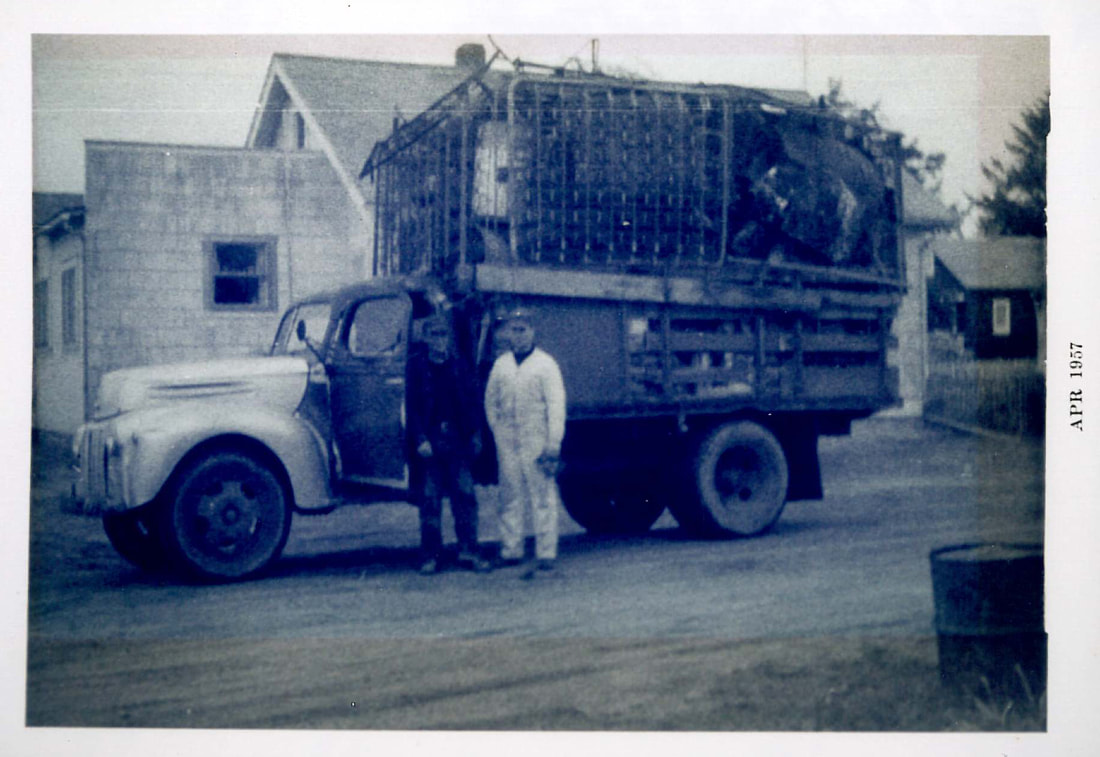
1961 - Washington State enacted comprehensive legislation regulating the collection and transportation of solid waste, which creates the “G-Certificate.”
1989 - Waste Not Washington Act
2004 - WSDOE Issues “Beyond Waste Plan”
2005 - Legislature re-regulates the “collection and transportation of commercial recyclables.”
Mission Statement
To promote environmentally sound and efficient solid waste and recycling services within the Washington State regulatory system.
WRRA's Sustainability
The Washington Refuse & Recycling Association (WRRA) supports the working definition of sustainability and goals adopted by the Department of Ecology and the provisions of Executive Order 02-03.
The Department of Ecology’s Working Definition of Sustainability: “Meeting the needs of the present without compromising the ability of future generations to meet their own needs.”
Sustainability in Solid Waste & Recycling
Ensuring compliance with all environmental, solid waste, and recycling laws and regulations
Looking for opportunities for greater energy efficiency
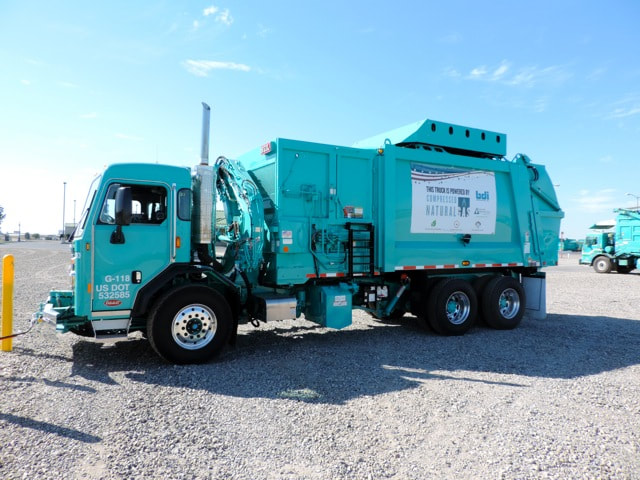
Looking for opportunities to reduce emissions from collection vehicles
Working with state and local governments to reduce, reuse, and recycle waste streams
Continuing to implement programs that improve worker health and safety and improve collection efficiency
Supporting a quality work environment for all employees
Promoting community service
Supporting sustainable efforts by others in our communities
The WRRA Scholarship Program was established in 2006 and made its initial awards in 2007 for the 2007-08 school year. The program is intended to assist WRRA member company employees and their children to continue education in college or vocational school programs.